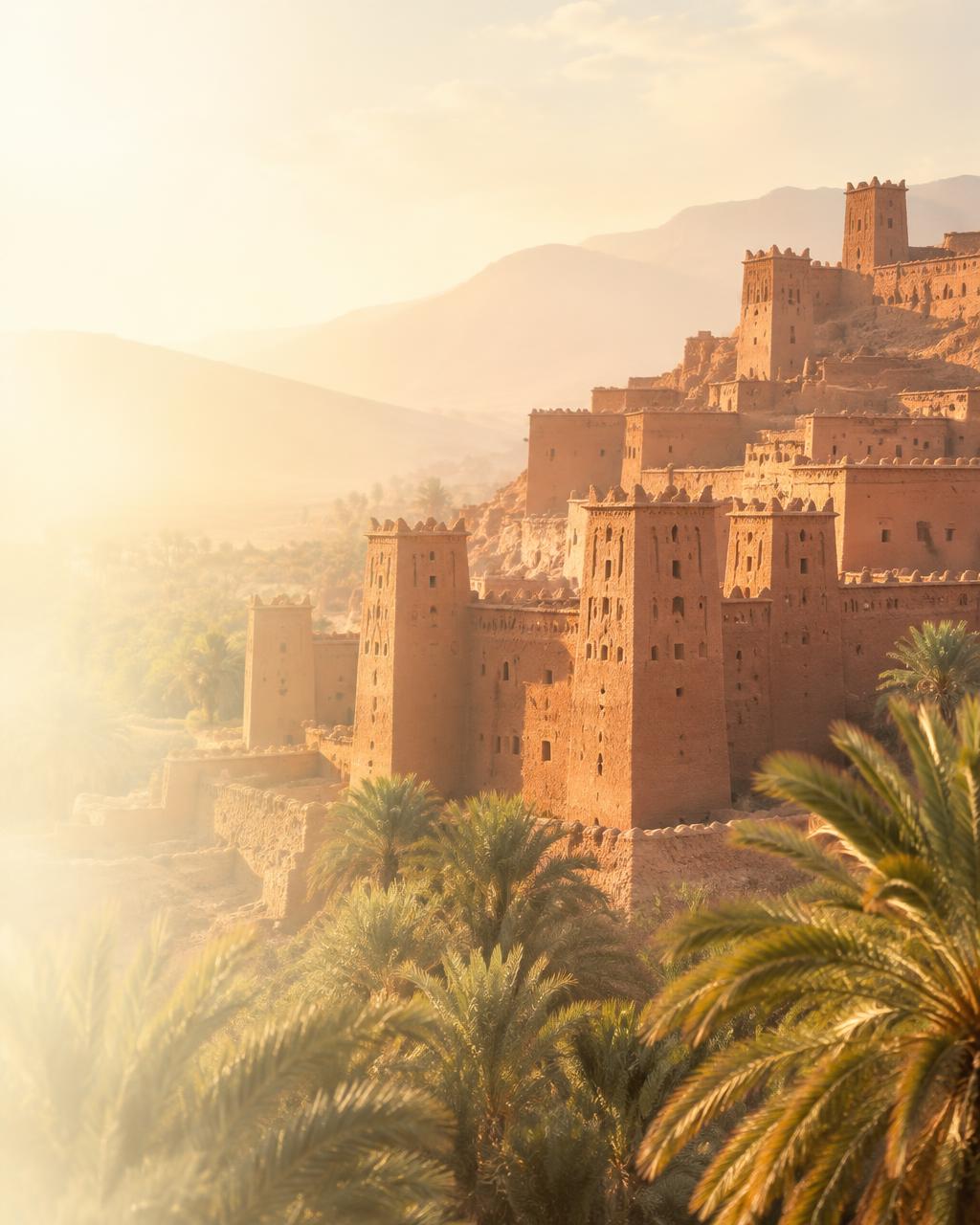
11th century · Almoravid foundation
Founded around 1070 by the Almoravids, Marrakech became a political and trading capital. Amazigh connections to the mountains and trans-Saharan routes shaped its beginnings.

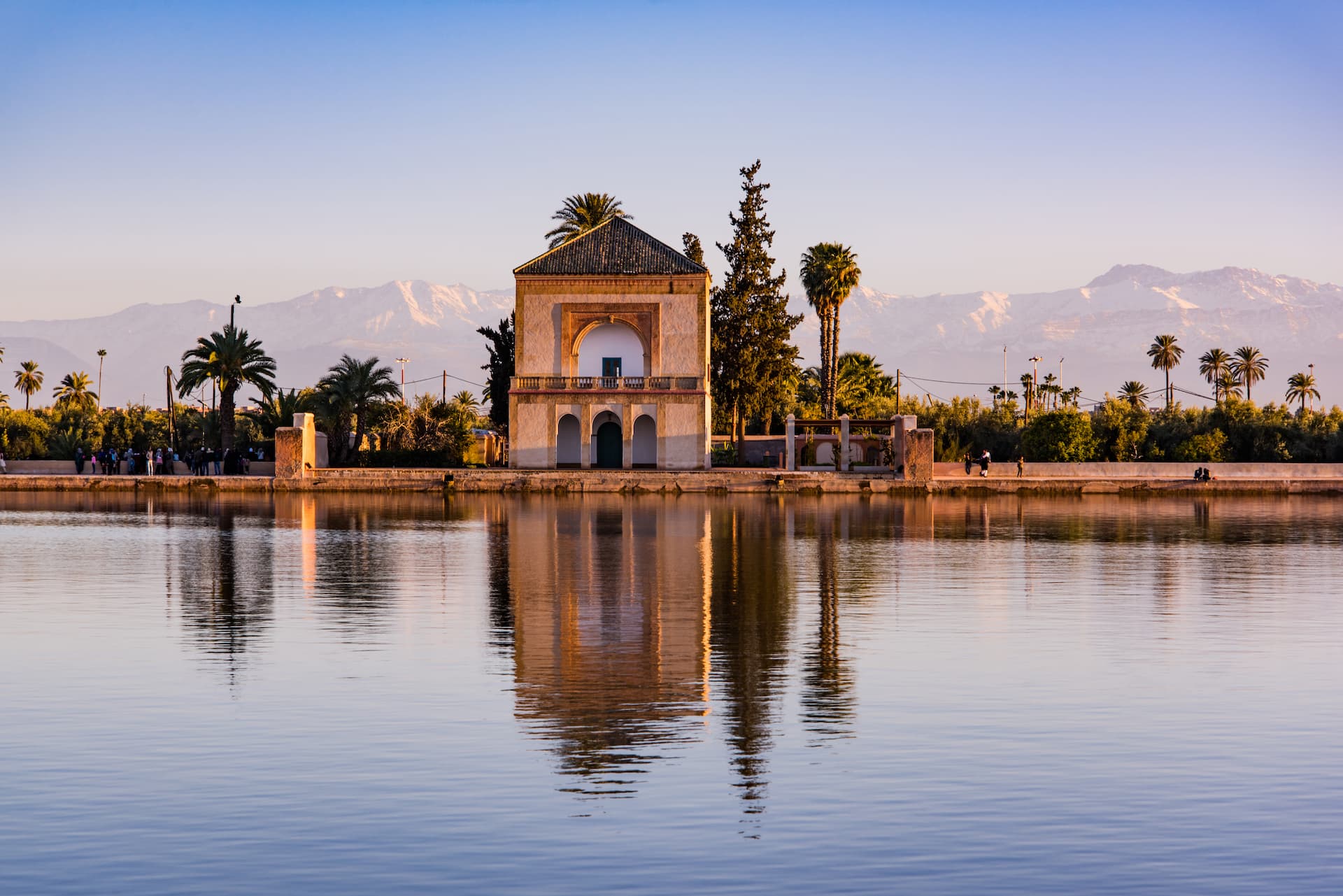
Ochre ramparts, quiet gardens and the rhythm of the medina: Marrakech reveals Morocco through its everyday contrasts.
At the foot of the High Atlas, Marrakech connects mountain country with the plains and the old routes south. The Red City takes its character from earthen ramparts, hidden courtyards and streets alive with trade. Its UNESCO-listed historic medina sits alongside the modern districts of Guéliz and Hivernage. Between a busy square and a quiet garden, the city rewards time spent looking closely.
Founded around 1070 by the Almoravids, Marrakech became a political and trading capital. Amazigh connections to the mountains and trans-Saharan routes shaped its beginnings.
The Almohads took the city in 1147. The Koutoubia and the irrigation system of the Menara Gardens recall this period of ambitious building.
Marrakech regained prominence as a capital under the Saadians. El Badi Palace, commissioned by Ahmad al-Mansur, and the Saadian Tombs reveal the dynasty’s artistic ambition.
Under the Alaouites, political power shifted among other cities while Marrakech retained regional importance. The late-19th-century Bahia Palace belongs to this period.
During the French Protectorate, the new town of Guéliz developed outside the walls. Moroccan independence in 1956 opened a new chapter in the city’s life.
Today the city is a centre of culture, craft and travel, where contemporary districts and medina traditions coexist. Its heritage is lived every day, not only preserved in monuments.
Marrakech’s Amazigh roots meet Arab and Andalusian influences in zellige tilework, carved plaster and sculpted wood. Riads turn inward around courtyards, while the souks gather leather, metal, textile and ceramic workshops. At Jemaa el-Fna, music, storytelling and gathering sustain an oral tradition recognised by UNESCO. Respecting privacy, asking before photographing people and observing local customs make for a more considerate visit.
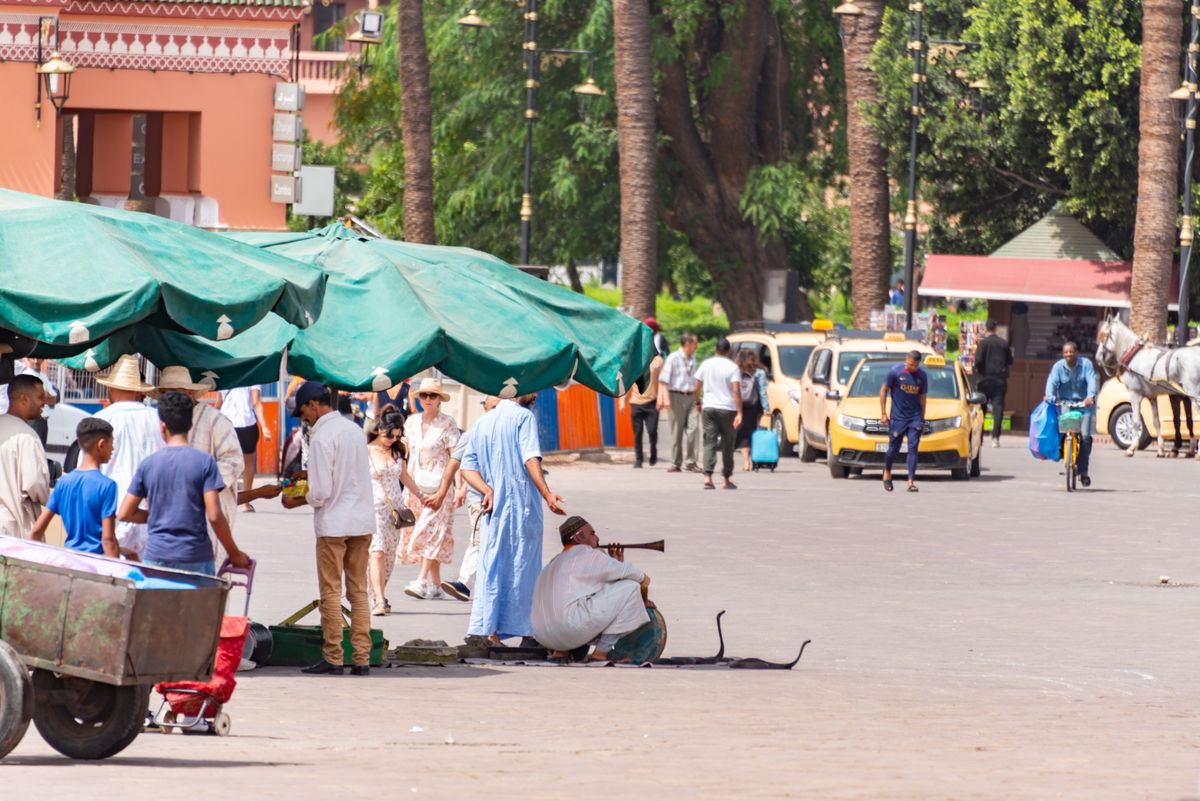
A gathering place for music and food, changing its rhythm from day to night.
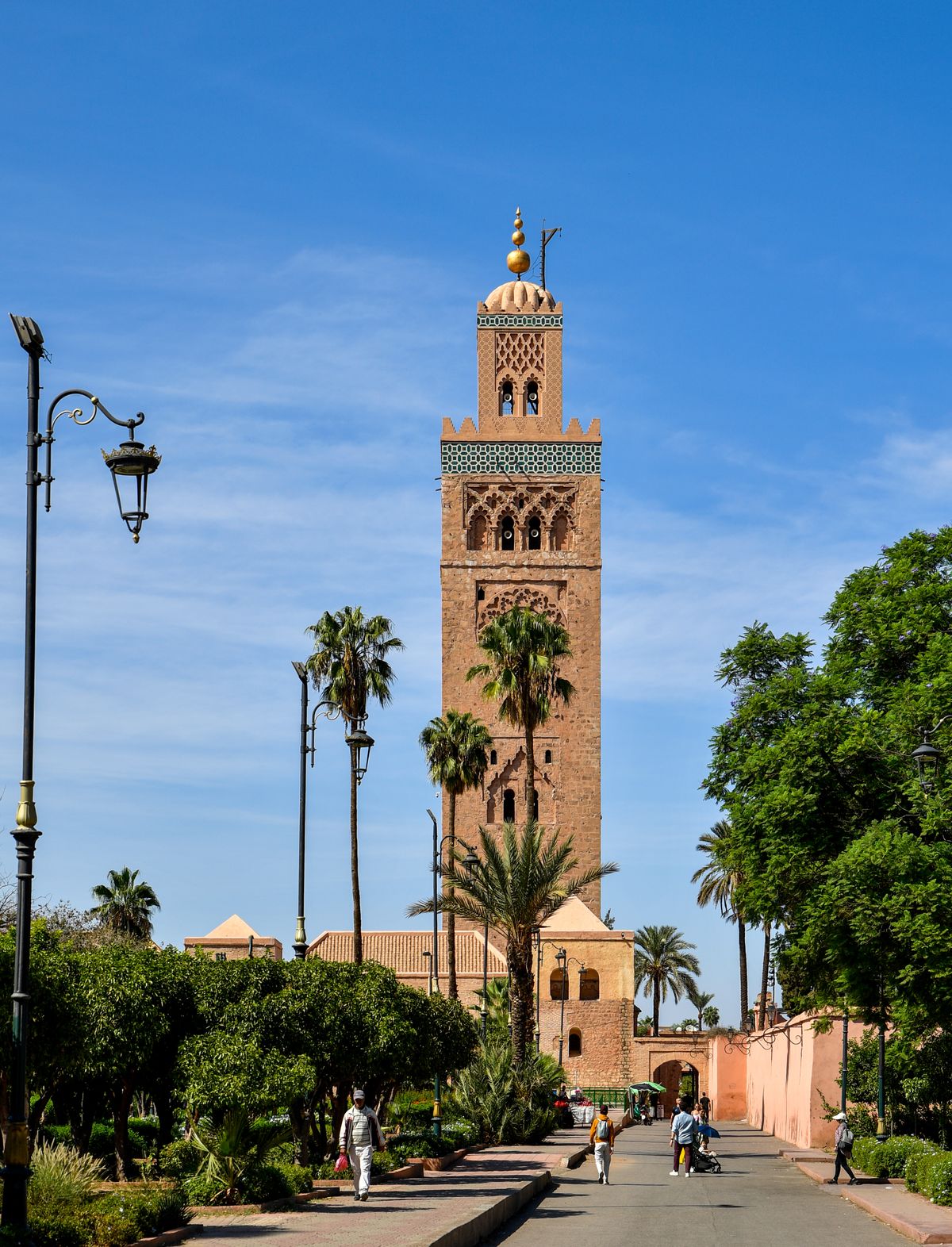
The 12th-century minaret is a city landmark; the mosque interior is reserved for Muslims.
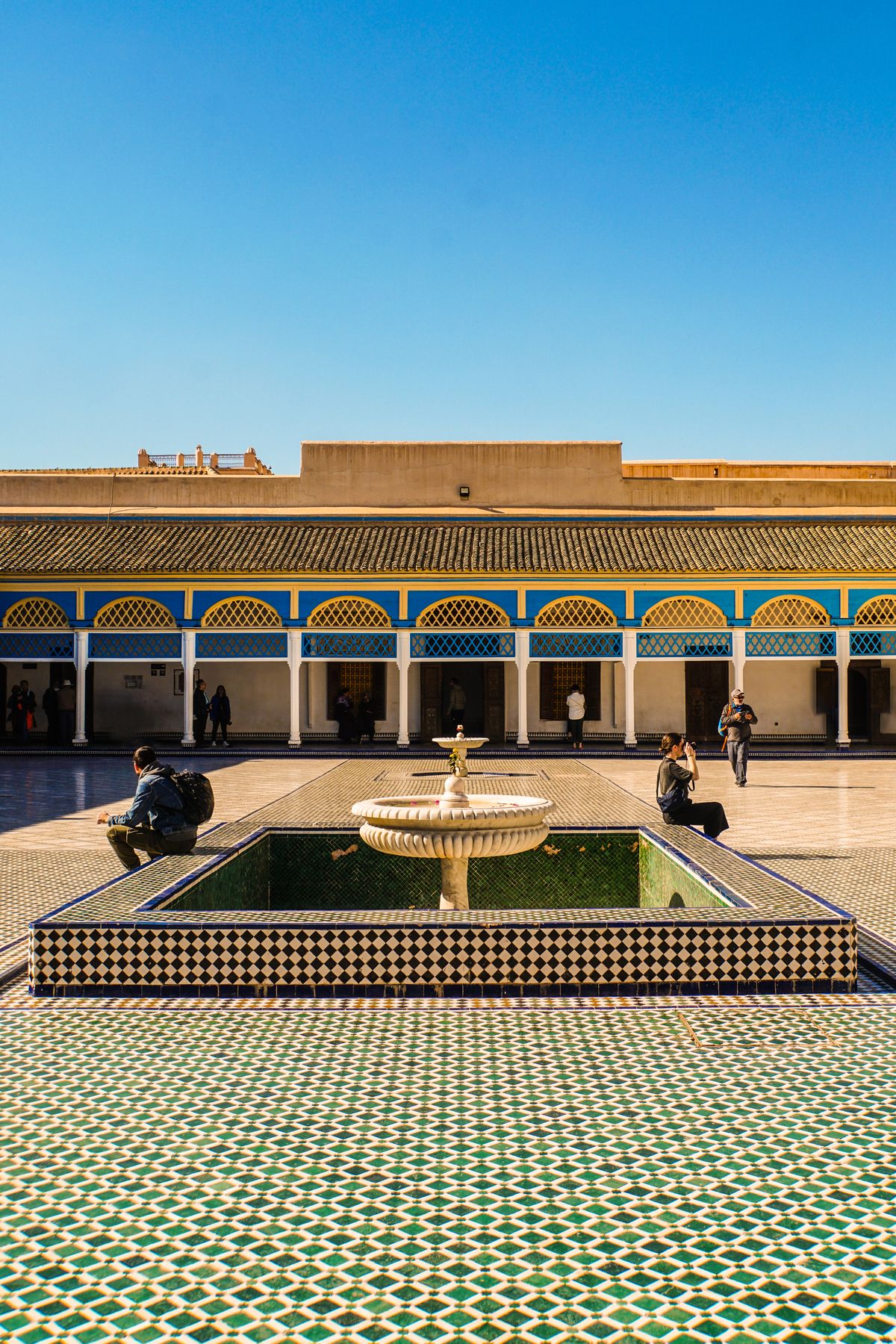
Courtyards, zellige and wooden ceilings reveal late-19th-century palace craftsmanship.
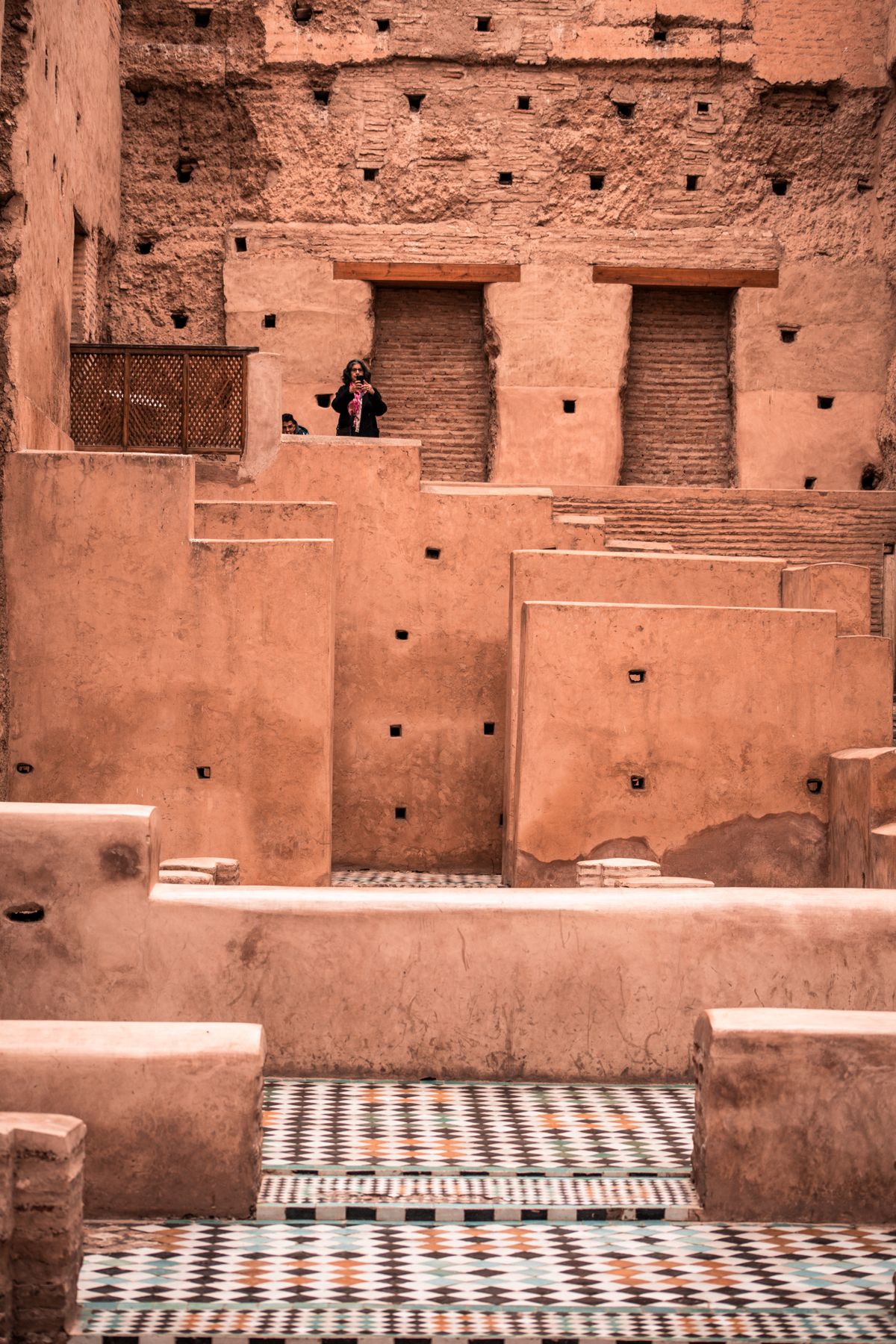
The monumental ruins of Ahmad al-Mansur’s palace evoke Saadian splendour.
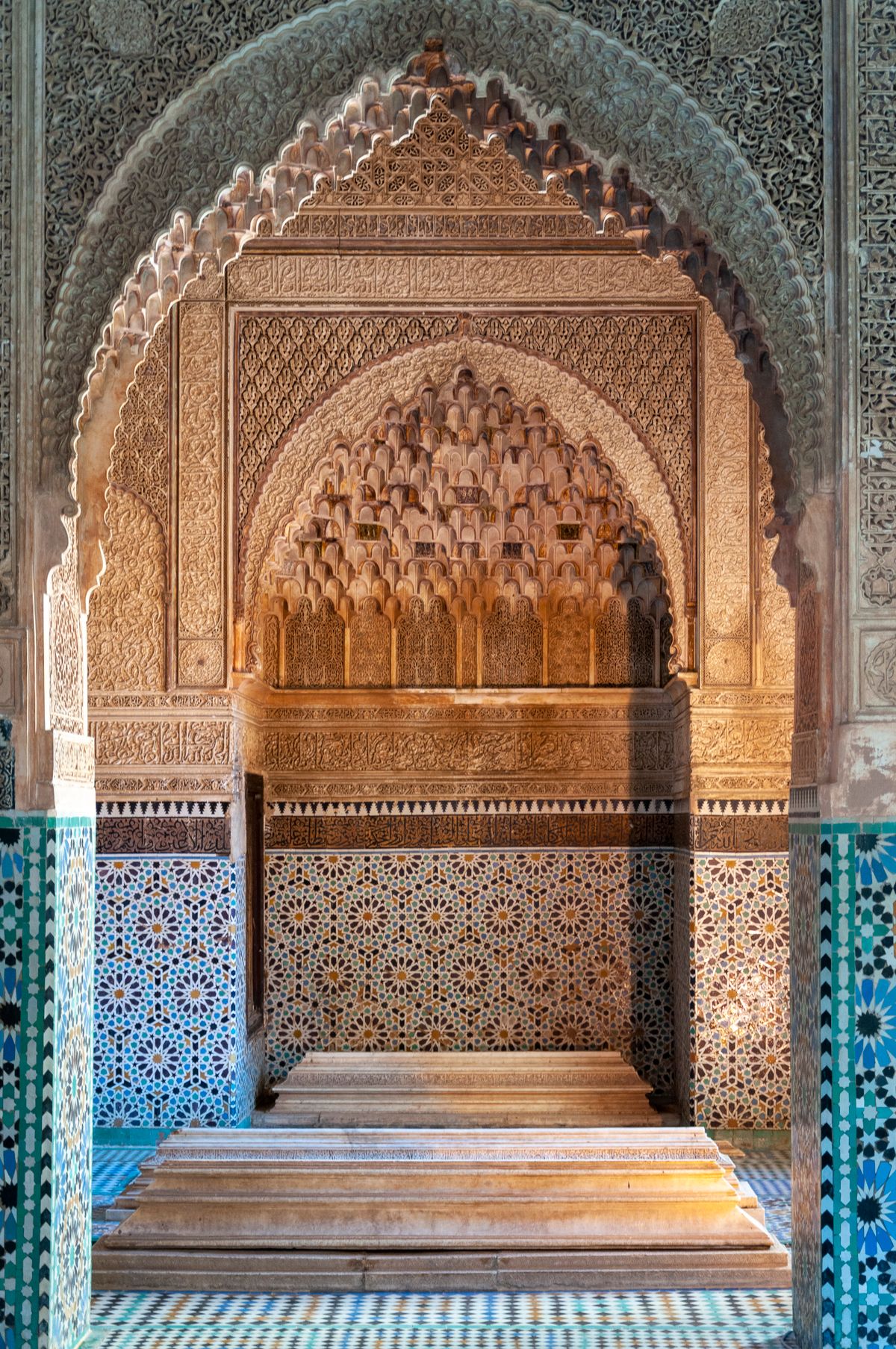
A royal necropolis known for its delicate marble, plasterwork and decoration.
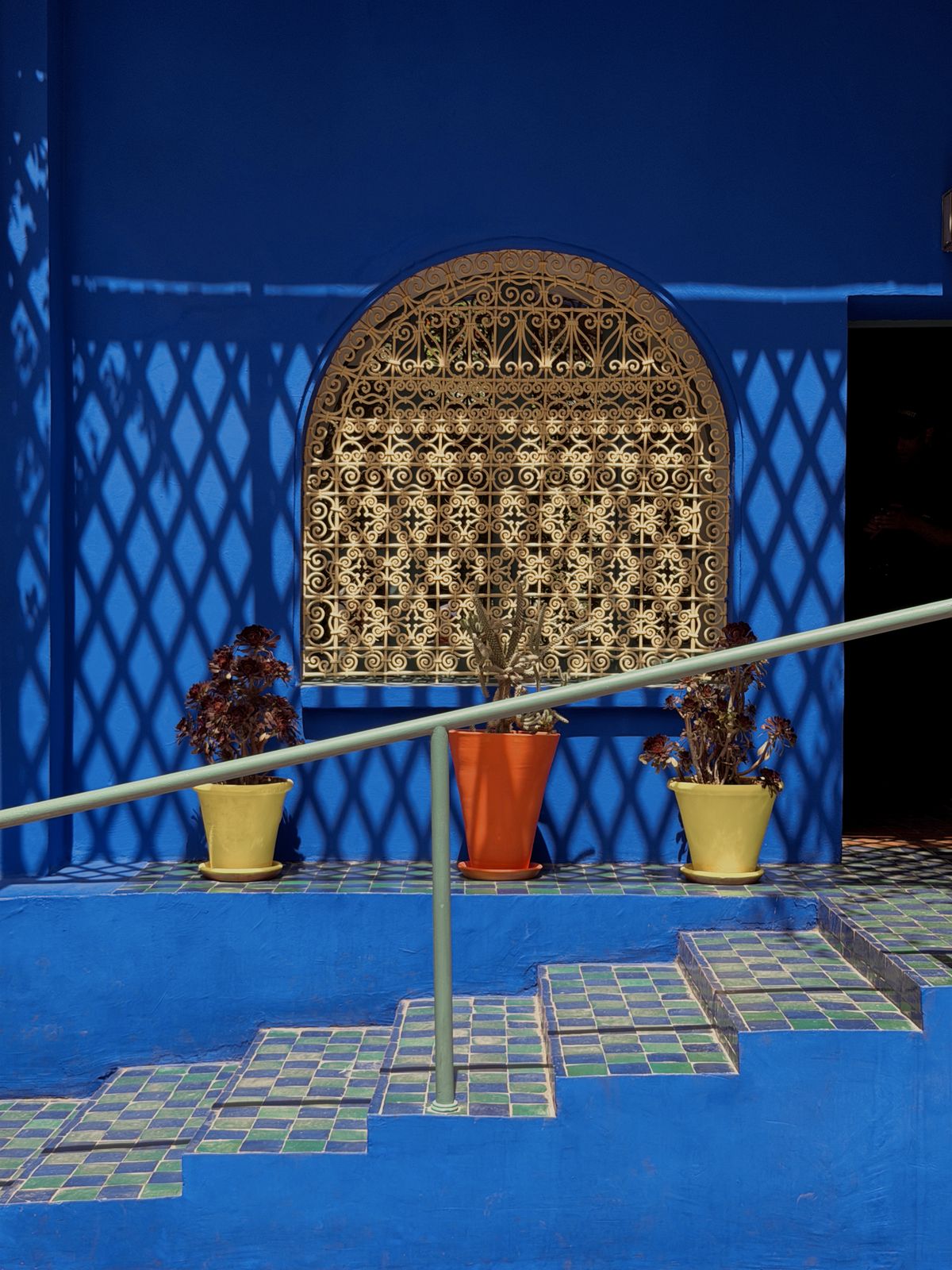
Artist Jacques Majorelle’s garden brings together plants from many regions and vivid blue architecture.
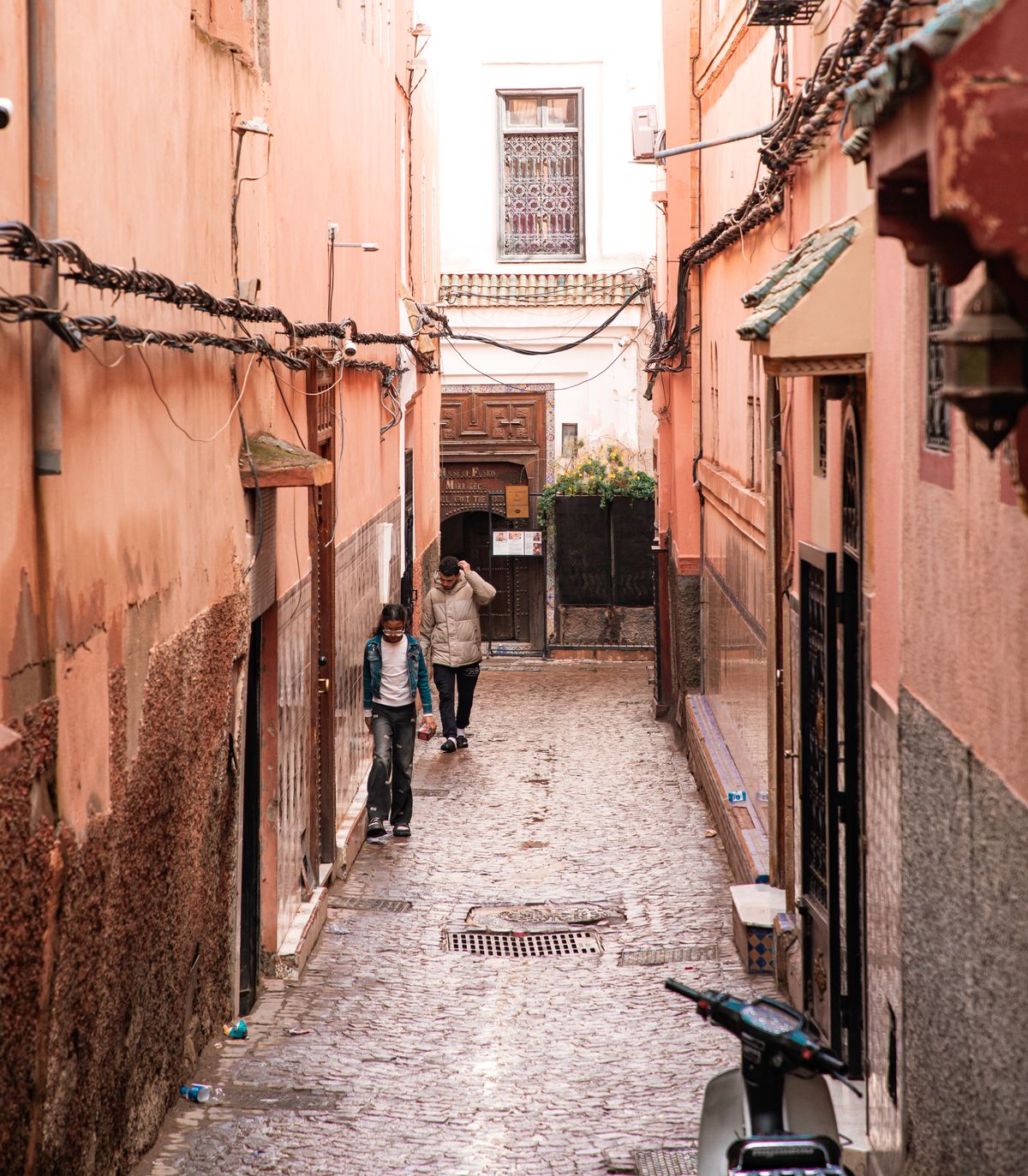
The historic walled city of winding lanes, courtyards and neighbourhood life.
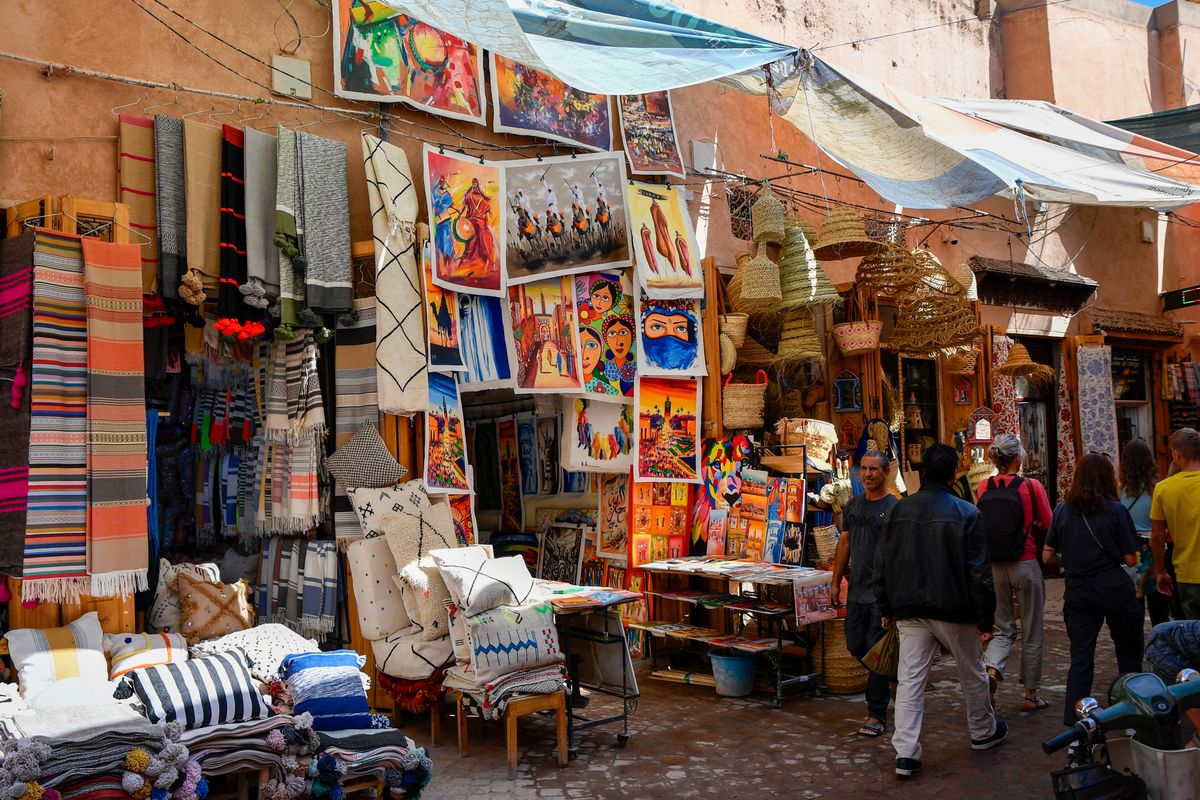
Workshops and markets where leather, lanterns, textiles and spices form everyday life.
Olive groves and a broad irrigation basin, with a pavilion and the Atlas beyond.
Marrakech’s table brings together slow-cooked tagines, couscous — often shared on Fridays — and mint tea as a gesture of hospitality. Look for the city’s tanjia and freshly baked breads too. Neighbourhood markets reveal everyday ingredients; cafés and restaurants offer a pause between visits. After dark, food stalls bring another rhythm to Jemaa el-Fna. Choose thoroughly cooked food and ask about allergens.
Spring, from March to May, and autumn, from September to November, are generally comfortable for walking. Summer can be intensely hot: explore early or late in the day. Winter often brings mild days, cool nights and occasional rain. Conditions vary; check the forecast before travelling and confirm opening hours during Ramadan and holidays.
Walk the medina and observe artisans in the souks.
Pair historic palaces with time in the gardens.
Watch Jemaa el-Fna change its rhythm towards evening.
Discover local flavours or plan a day towards the Atlas and Ourika Valley.
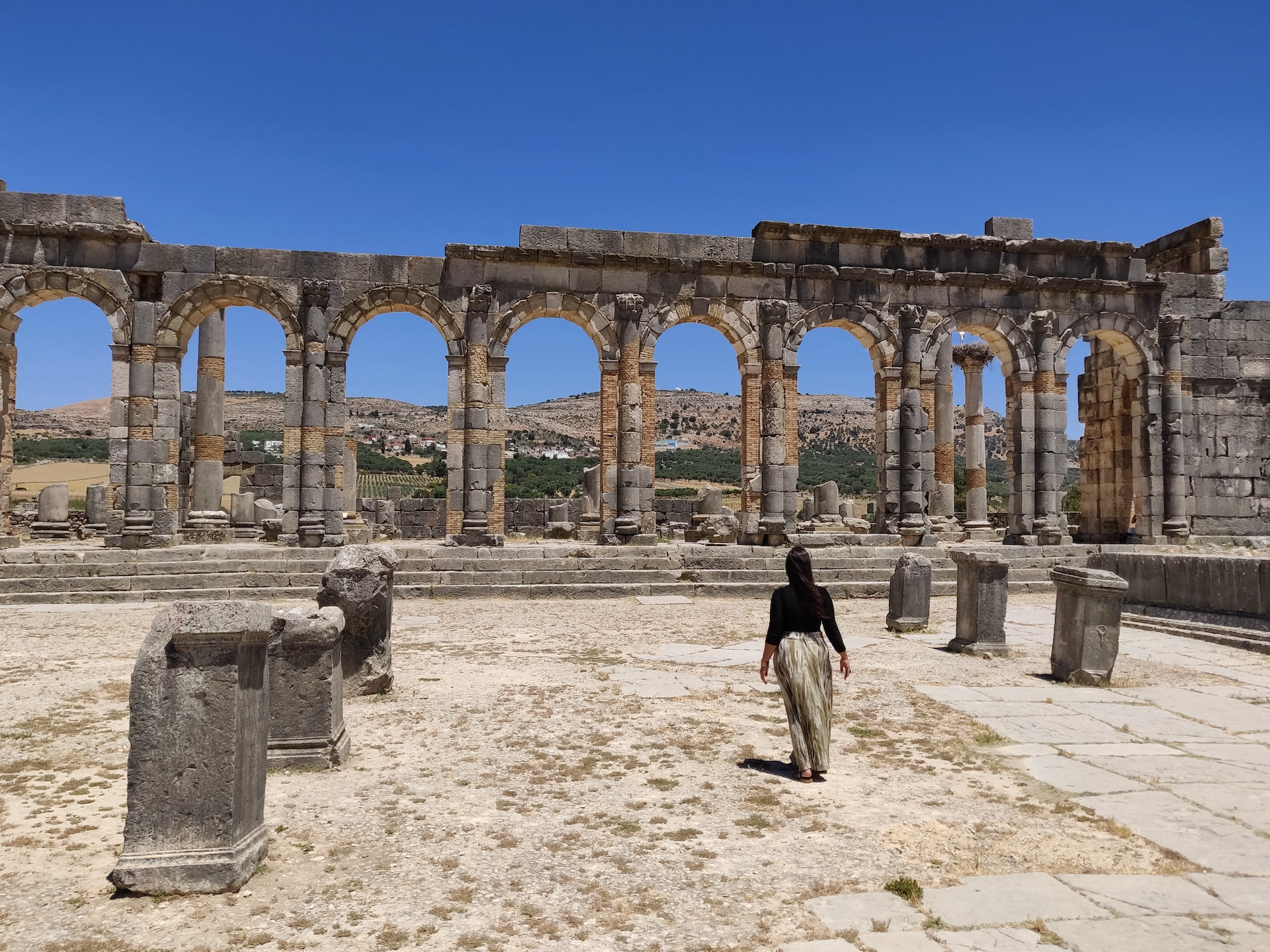
Explore Morocco on the Marrakech – Imperial Cities journey, following the route featured in our original tour collection.
Discover Journey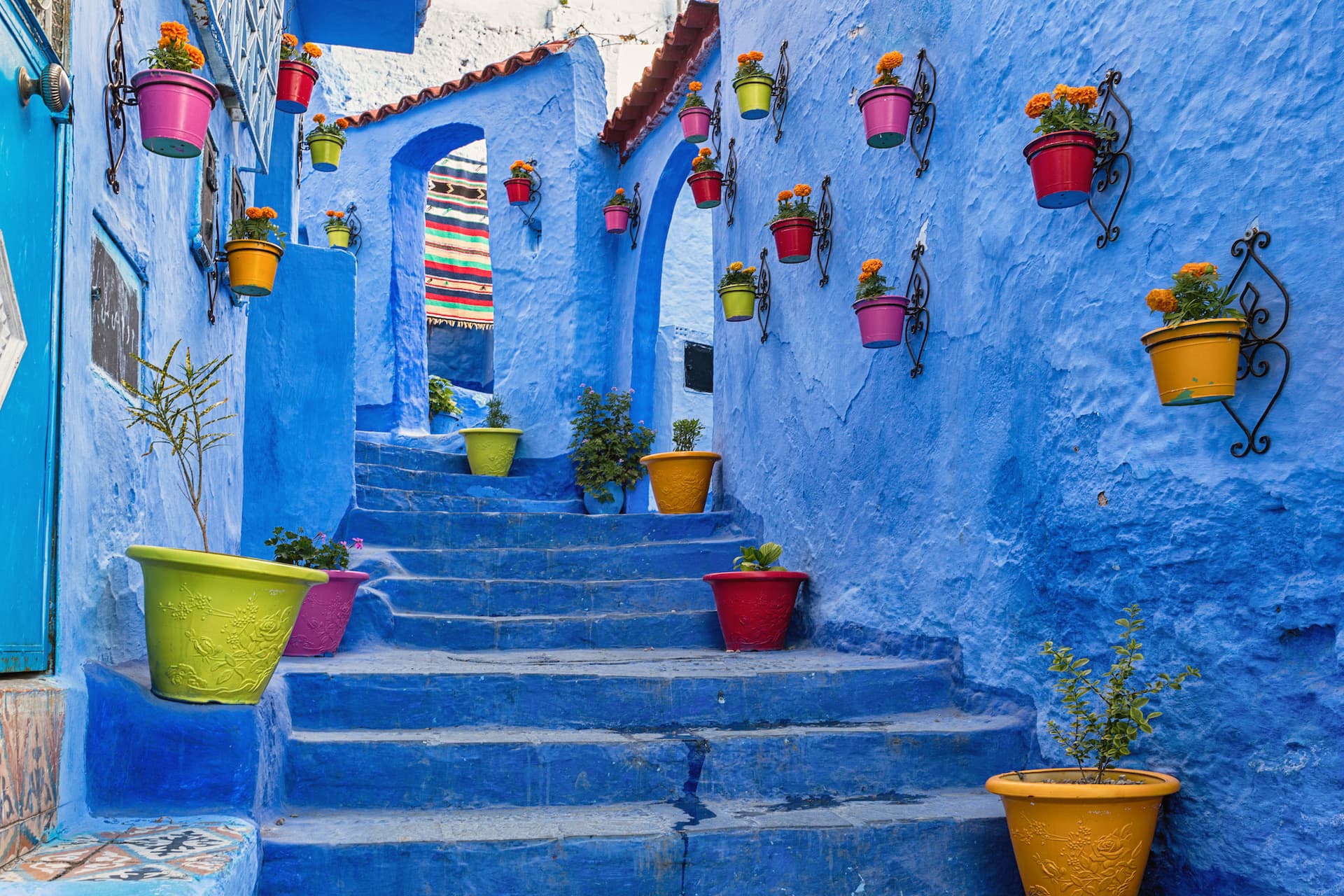
Explore Morocco on the Casablanca – Chefchaouen – Fes – Desert – Marrakech journey, following the route featured in our original tour collection.
Discover Journey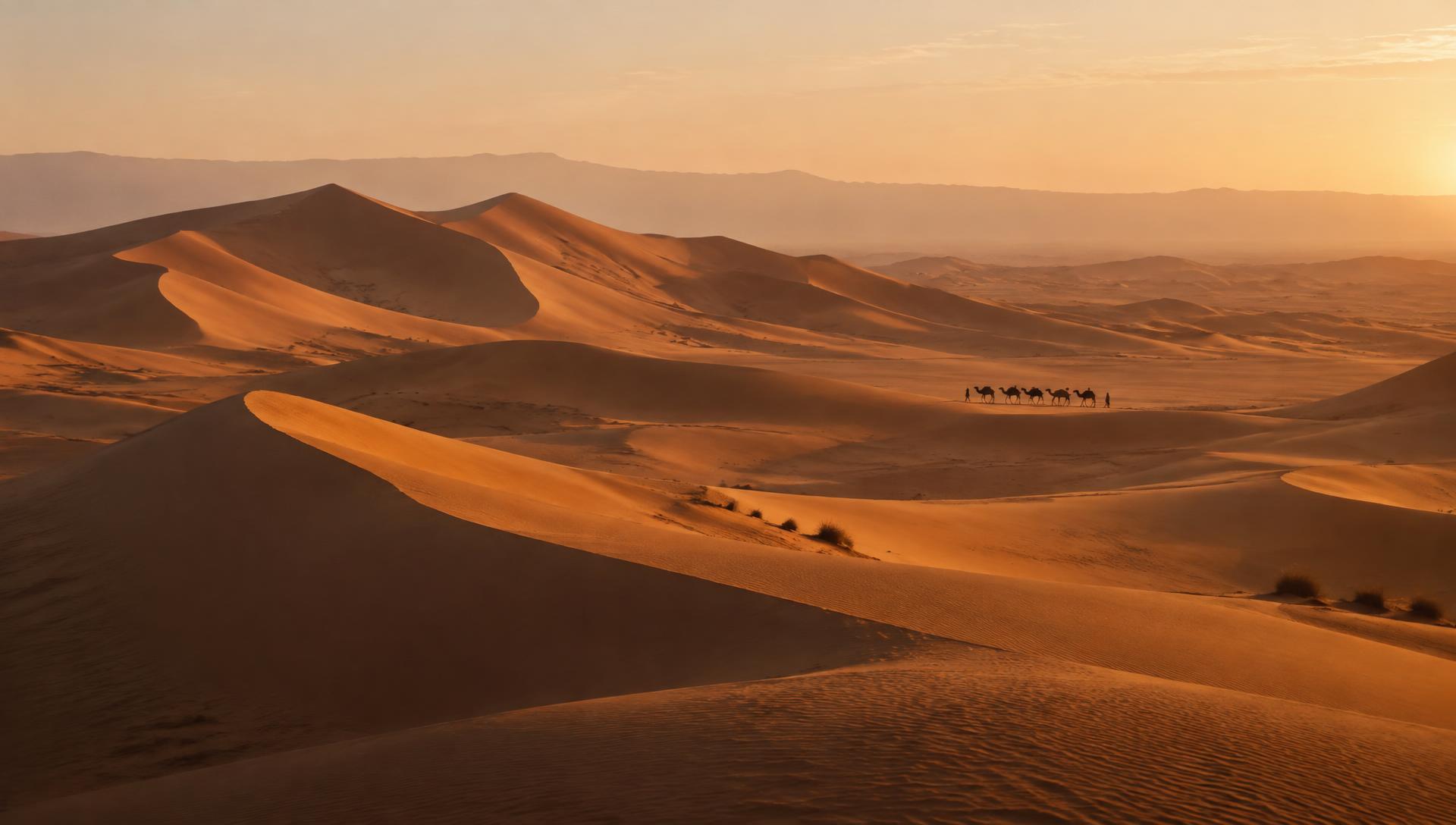
Cross the Atlas Mountains, discover Aït Ben Haddou and the Dades Valley, then reach the dunes of Merzouga for a camel ride at sunset and a night in a desert camp.
Discover JourneyFrom Casablanca and Rabat through Fes to the dunes of Merzouga, then onward through Ouarzazate and Marrakech.
Discover Journey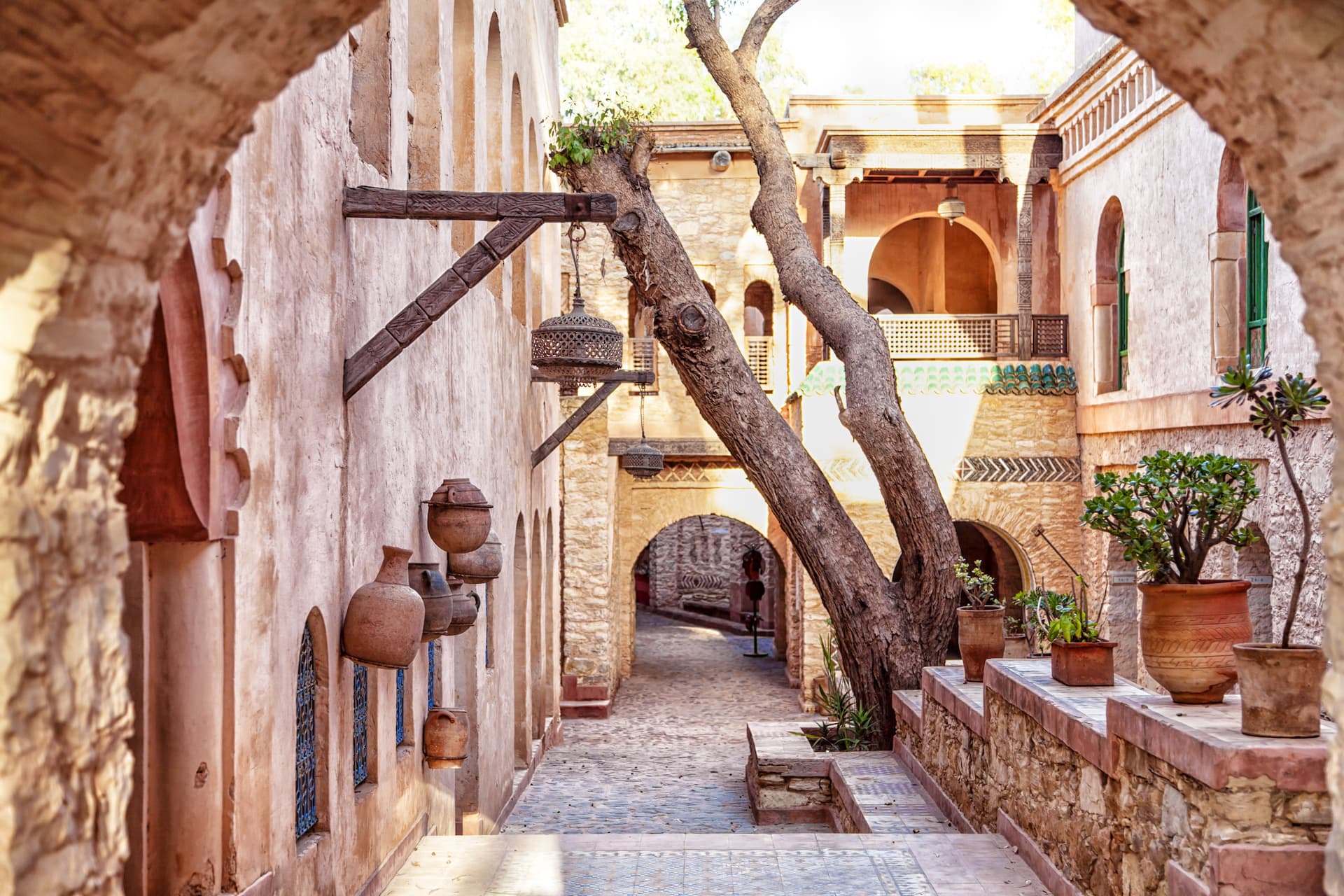
A five-day journey from Fes through the Middle Atlas, Merzouga, the Todra and Dades valleys to Marrakech.
Discover Journey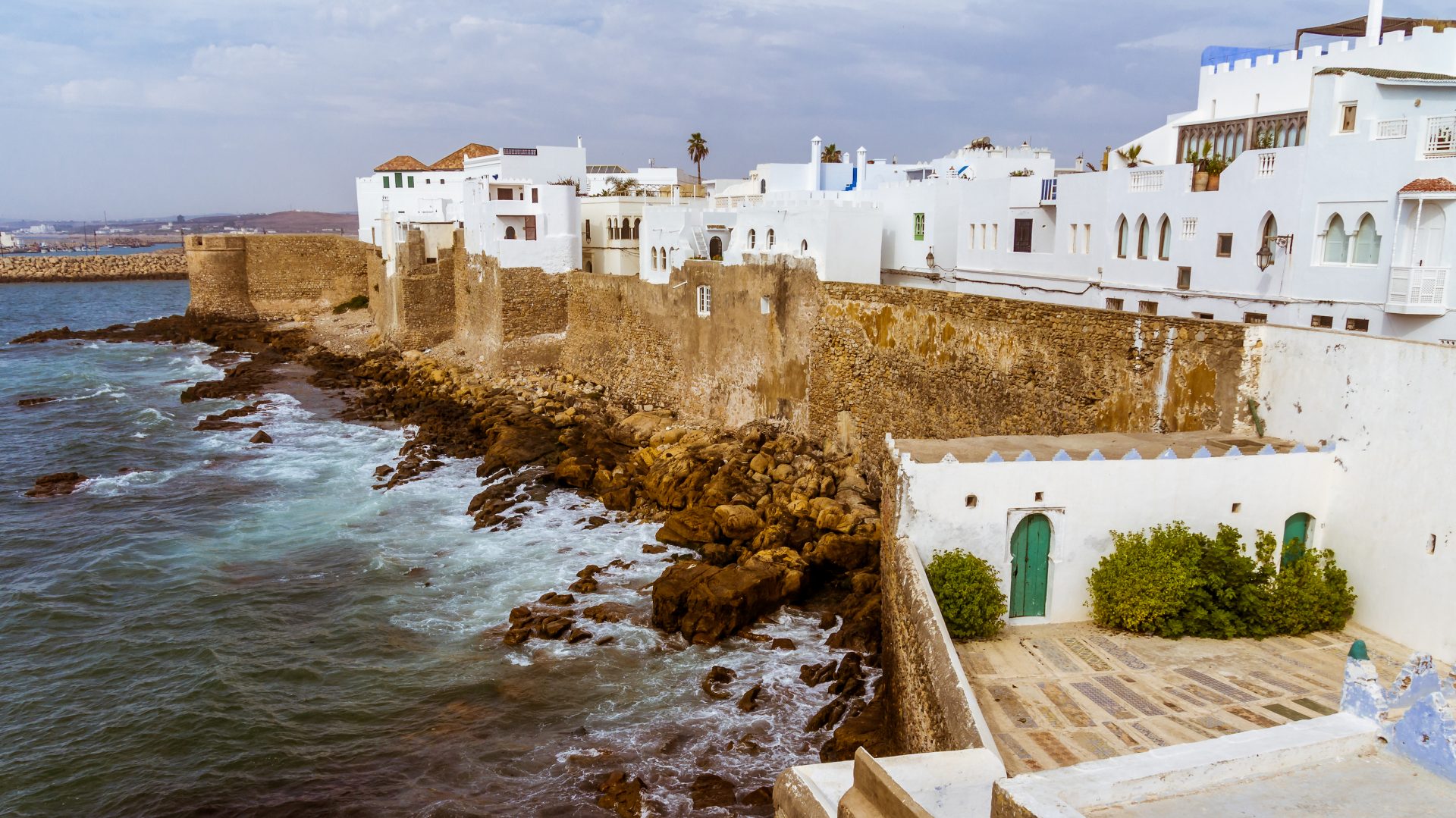
Explore Morocco on the Tangier – Imperial Cities journey, following the route featured in our original tour collection.
Discover Journey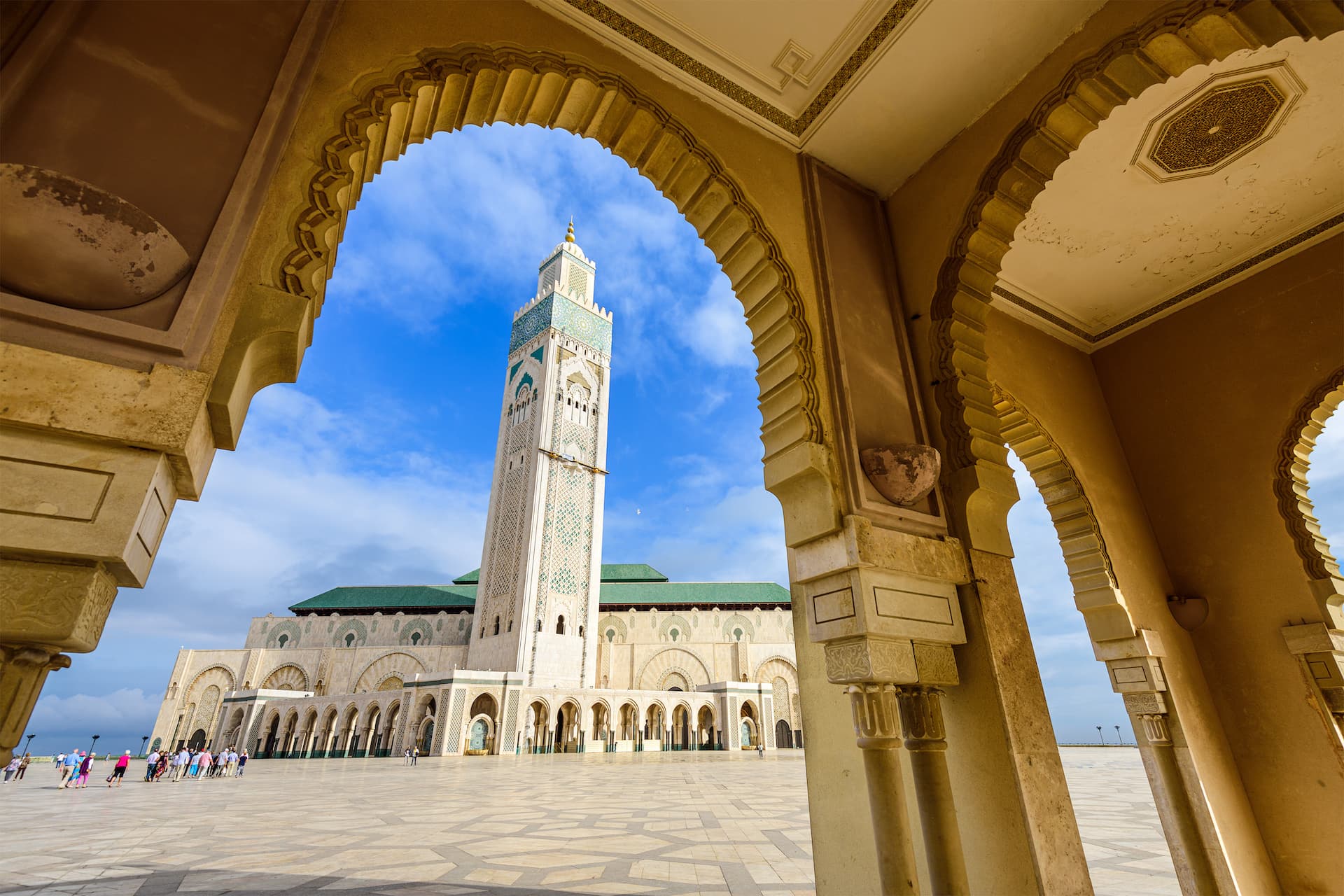
Explore Morocco on the Marrakech – Casablanca journey, following the route featured in our original tour collection.
Discover JourneyExplore Morocco on the Marrakech City Tour journey, following the route featured in our original tour collection.
Discover JourneyExplore Morocco on the Casablanca – Imperial Cities journey, following the route featured in our original tour collection.
Discover JourneyExplore Morocco on the Tangier – Casablanca journey, following the route featured in our original tour collection.
Discover JourneyExplore Morocco on the Fes – Merzouga Desert – Casablanca – Marrakech journey, following the route featured in our original tour collection.
Discover JourneyExplore Morocco on the Tangier – Marrakech journey, following the route featured in our original tour collection.
Discover JourneyExplore Morocco on the Marrakech – Tangier journey, following the route featured in our original tour collection.
Discover Journey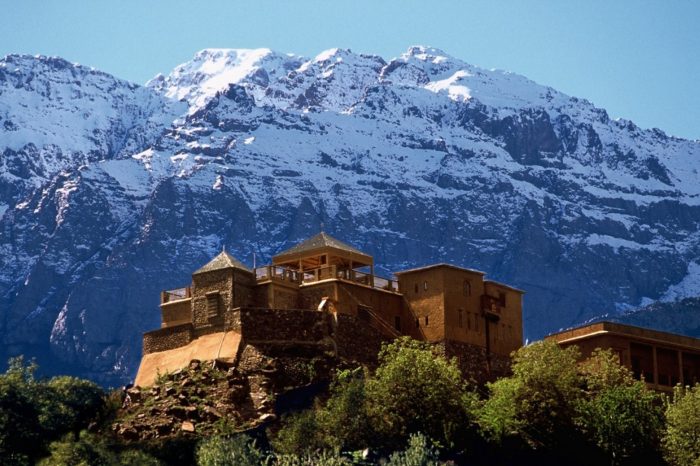
Explore Morocco on the Marrakech – Fes journey, following the route featured in our original tour collection.
Discover JourneyExplore Morocco on the Marrakech – Zagora Desert journey, following the route featured in our original tour collection.
Discover Journey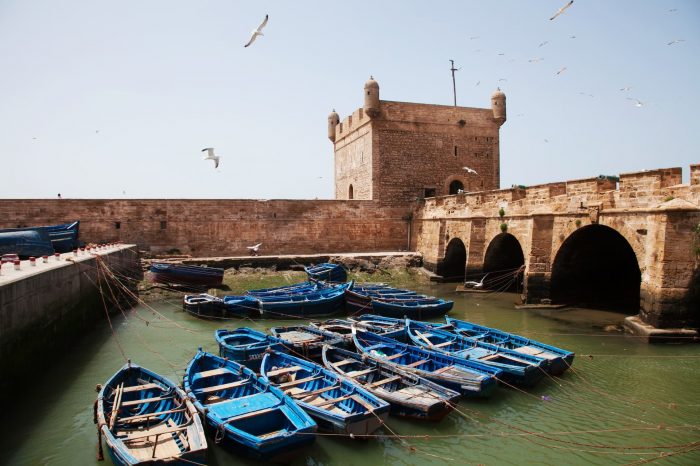
Explore Morocco on the Marrakech – Essaouira journey, following the route featured in our original tour collection.
Discover JourneyExplore Morocco on the Marrakech – Imlil journey, following the route featured in our original tour collection.
Discover Journey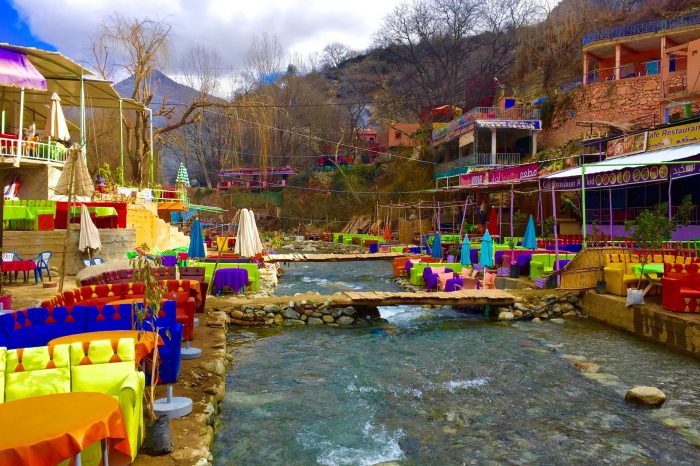
Explore Morocco on the Marrakech – Ouzoud Falls journey, following the route featured in our original tour collection.
Discover JourneyExplore Morocco on the Marrakech – Ouarzazate journey, following the route featured in our original tour collection.
Discover JourneyExplore Morocco on the Marrakech – Ourika Valley journey, following the route featured in our original tour collection.
Discover JourneyTell us what you dream of. We’ll help shape the journey.
Plan Your Journey